
CAS Number:9032-08-0
HS Code:350790
Standard:GB/T 23532-2009、FCC
Storage Type:Store in a cool, dry, and well-ventilated.
Specification:25KG/BAG
Shelf Life:24 Months (under compliant storage conditions).
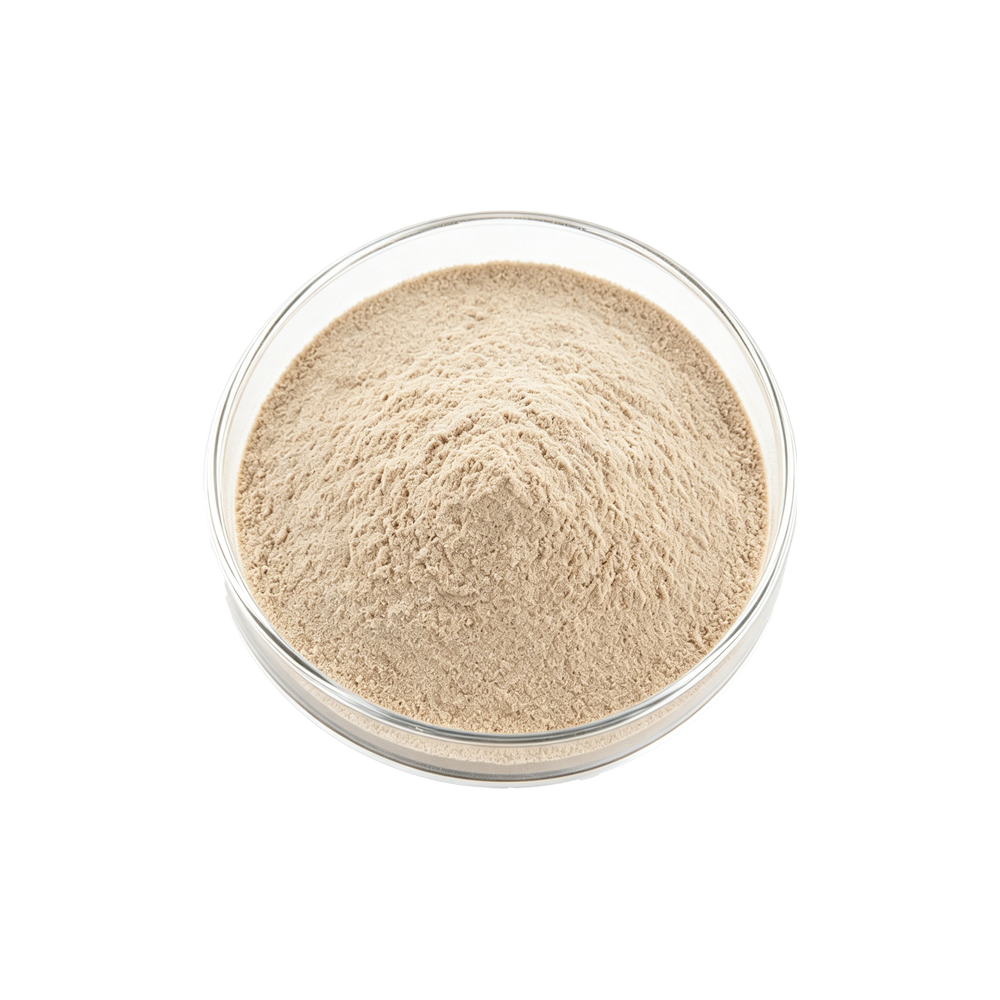
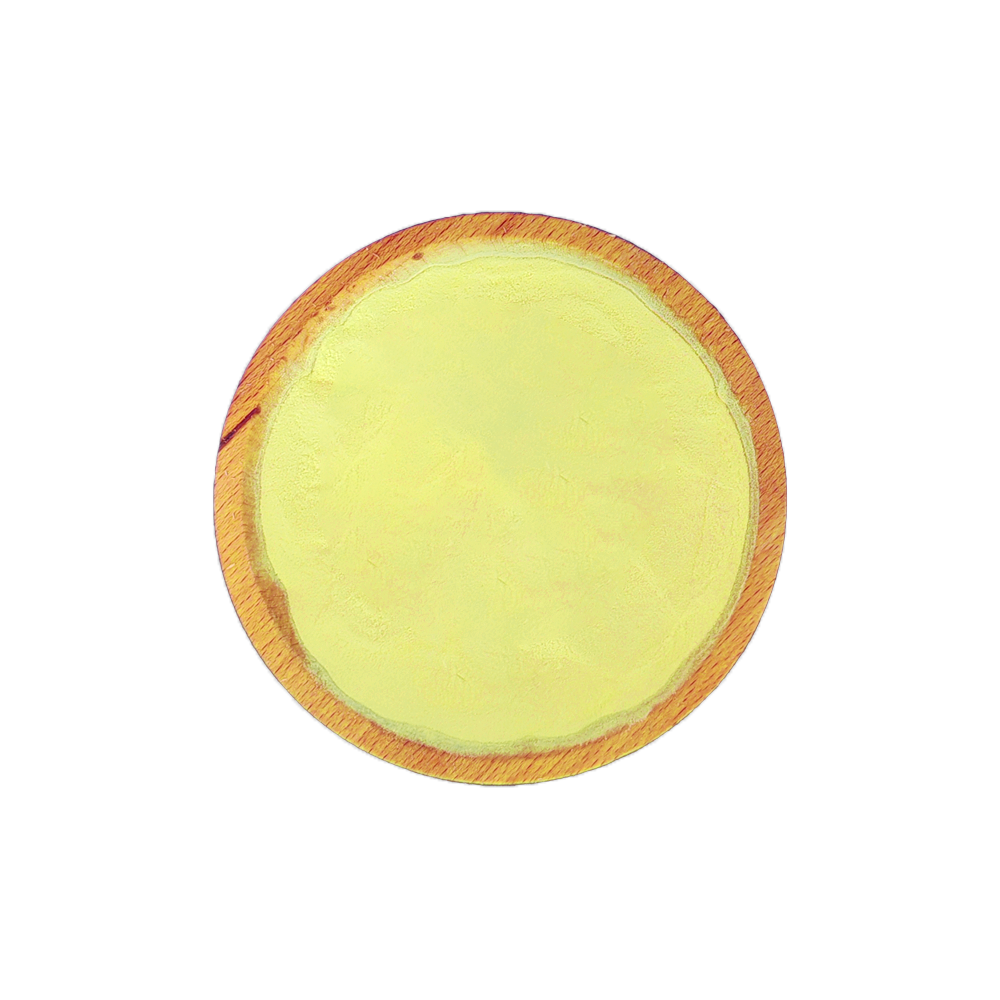
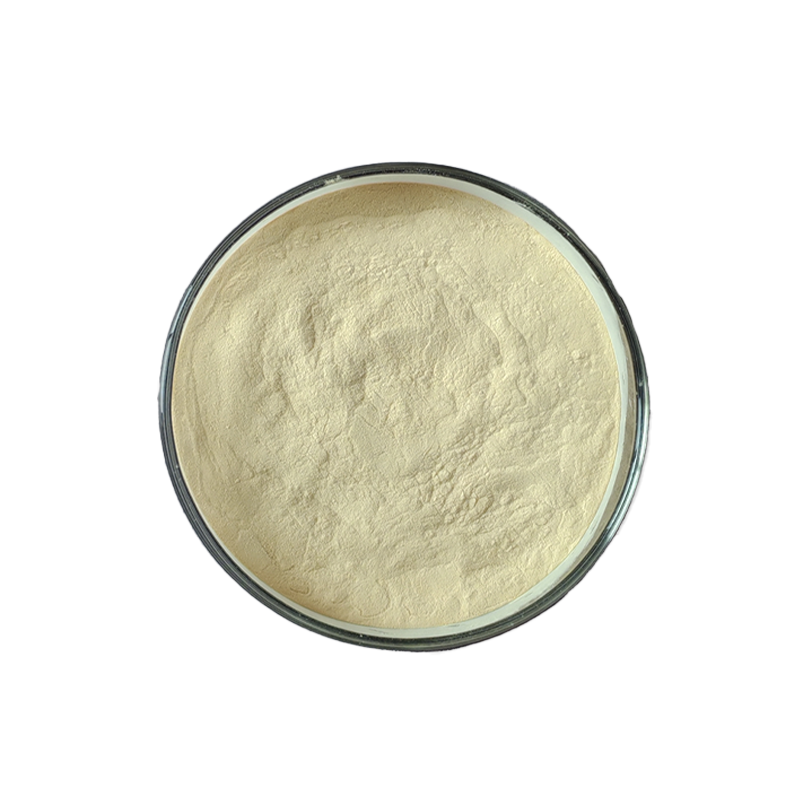
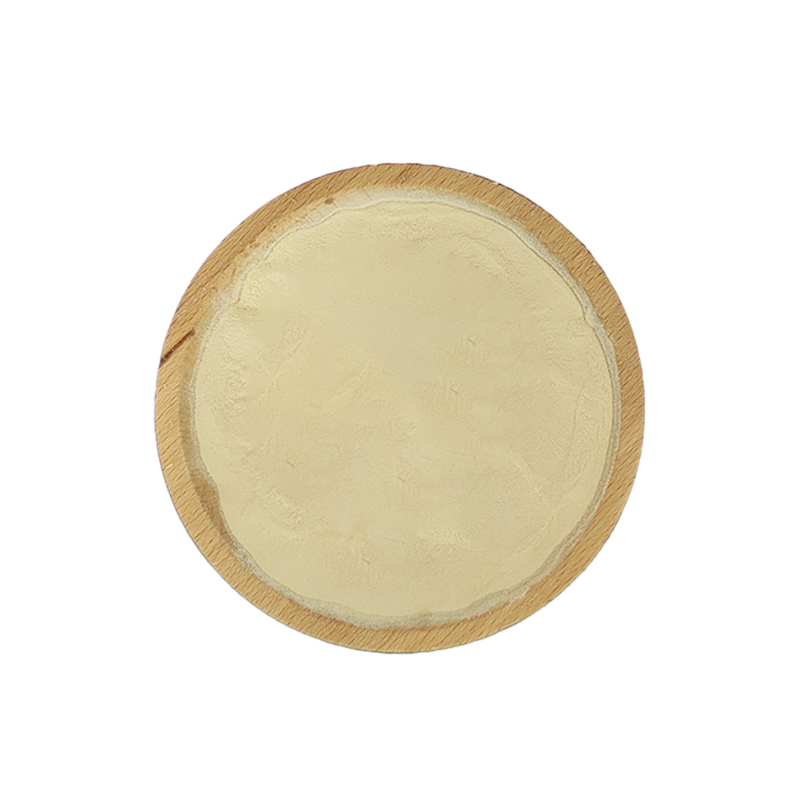
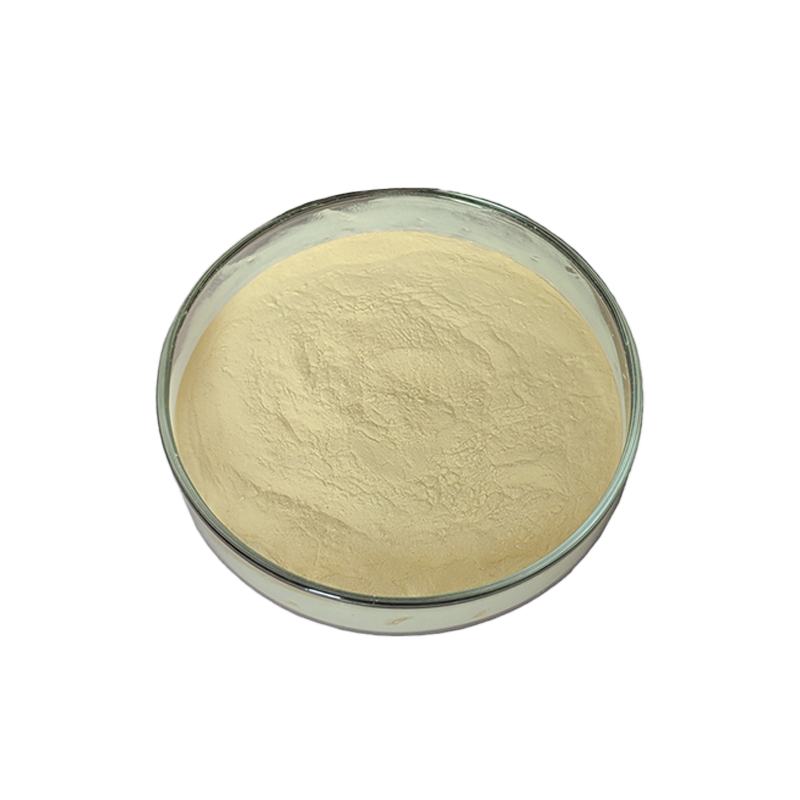
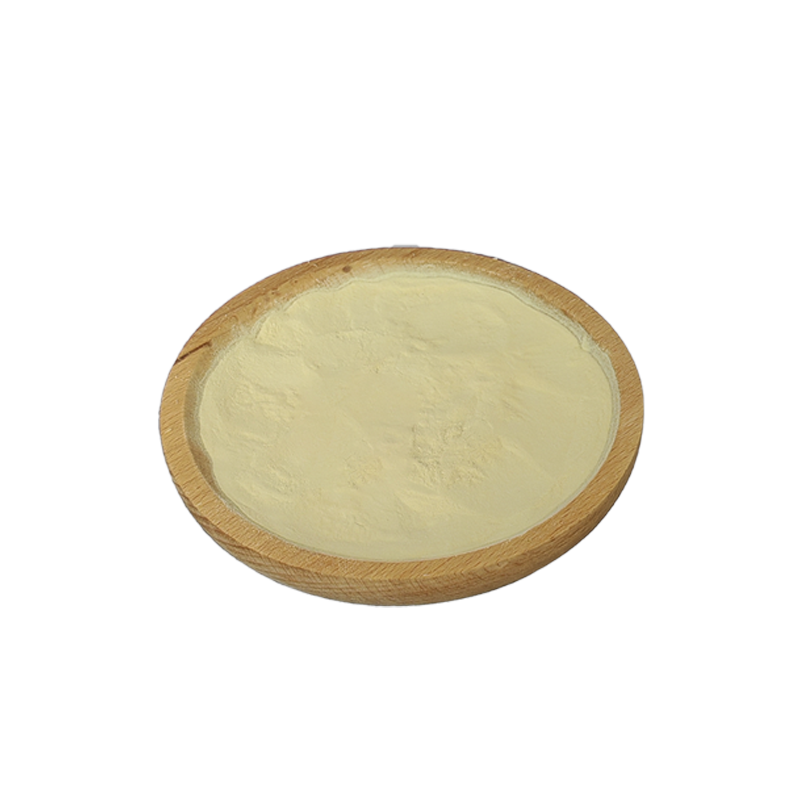
Glucoamylase is produced through deep fermentation, extraction, and refinement from the superior strain of Aspergillus niger. It is widely used in industries such as alcohol, liquor, beer, brewing, monosodium glutamate (MSG), starch sugar, and antibiotics.
Glucoamylase (also known as saccharifying enzyme) hydrolyzes the α-1,4 glucosidic bonds of starch from the non-reducing ends to produce glucose. It can also slowly hydrolyze the α-1,6 glucosidic bonds, converting them into short-chain linear polysaccharides.
Temperature range: Effective temperature range 35–85℃, optimum temperature range 40–65℃. pH range: Effective pH range 2.5–7.0, optimum pH range 4.0–5.5. Effects of metal ions on enzyme activity: Mg²⁺ activates the enzyme, while Cu²⁺, Zn²⁺, Mn²⁺ and Fe²⁺ inhibit enzyme activity.
Liquid form: Transparent liquid with enzyme activity ranging from 100,000 U/mL to 400,000 U/mL, customized specifications available upon customer request. Solid form: Enzyme activity ranging from 50,000 U/g to 600,000 U/g.
Definition of enzyme activity unit: One unit (U/mL or U/g) is defined as the quantity of enzyme that hydrolyzes soluble starch to produce 1 mg of glucose per hour at 40℃ and pH 4.6 with 1 mL liquid enzyme or 1 g solid enzyme powder.

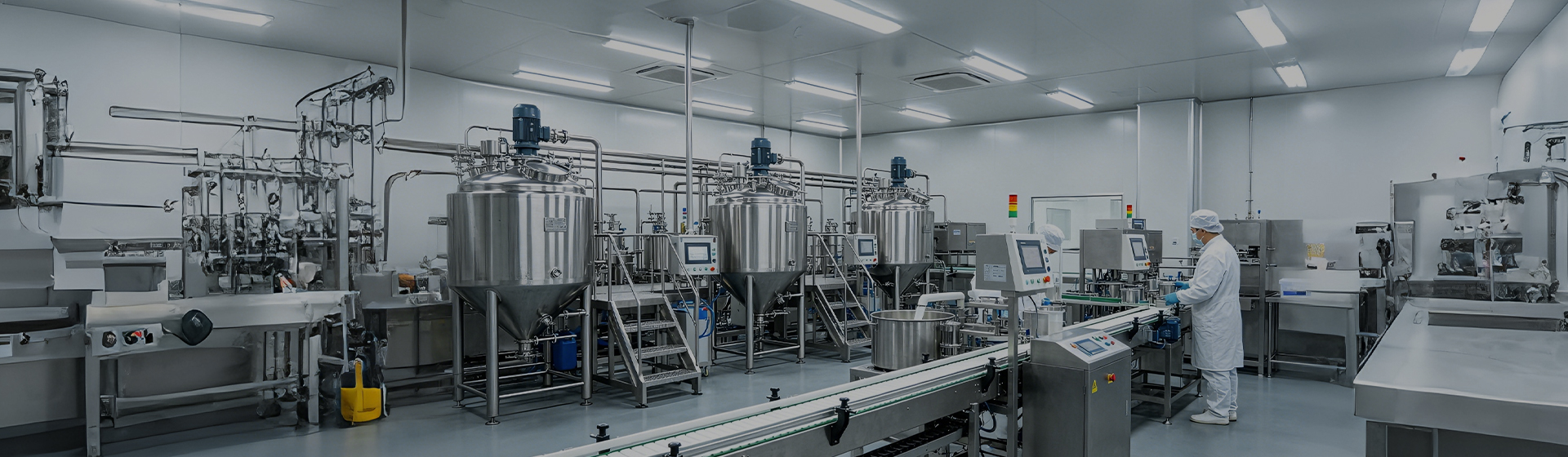
Founded in 2017, we are a professional supplier and exporter of food additives.



Copyright © 2026 Qingdao Lixinjie International Trade Co., Ltd.All rights reserved
Powered by: WDL